
Telepharmacy State Rules: 5 Changes to Track in 2026
State boards of pharmacy are updating telepharmacy rules in 2026. Five regulatory shifts every hospital pharmacy director and compliance officer must know.
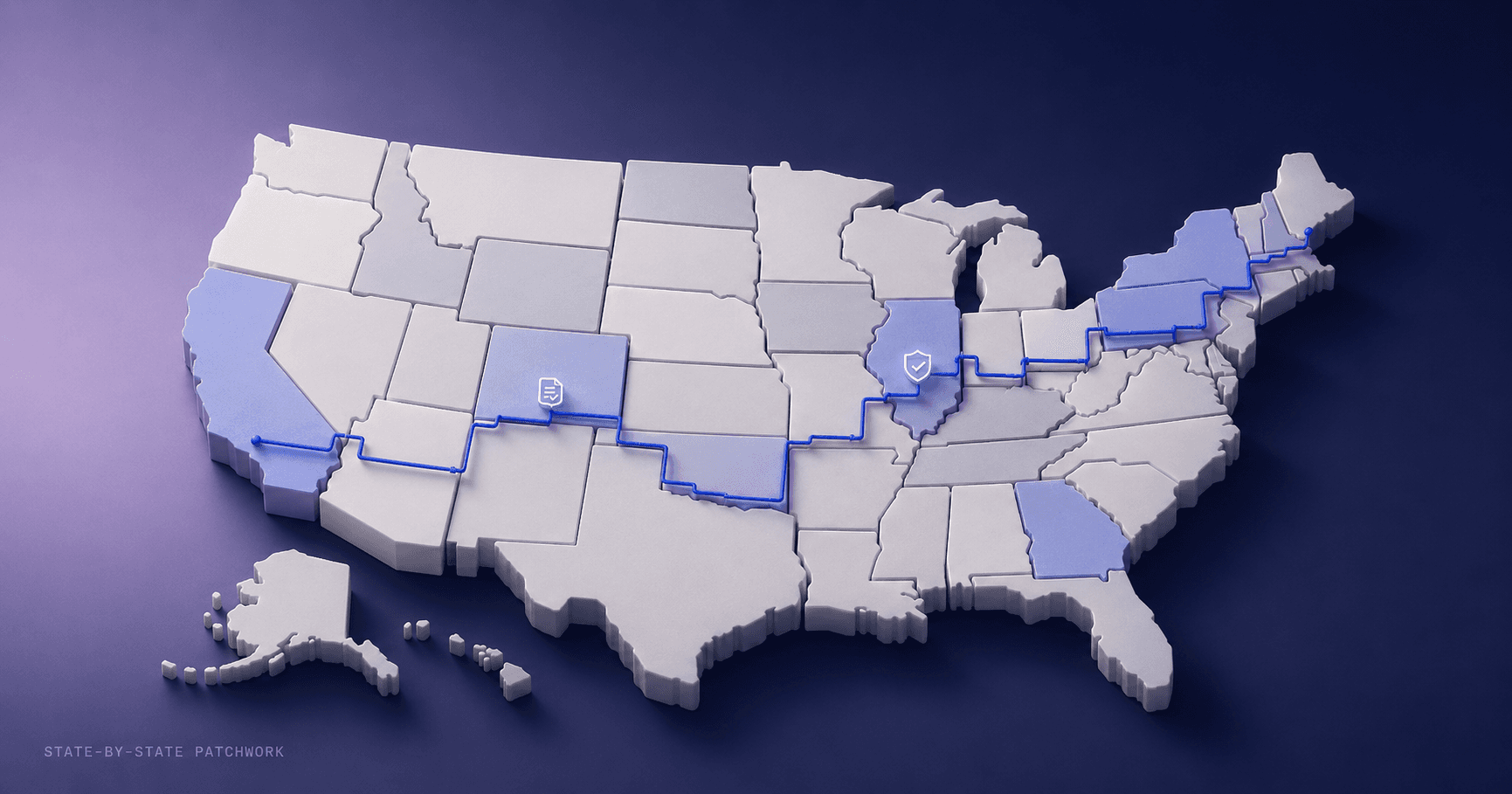
State boards of pharmacy have historically lagged behind the operational reality of telepharmacy. That gap is closing quickly. Between NABP model rule updates, state-by-state clarifications on supervision standards, and the absence of any pharmacist interstate compact -- a gap no other major healthcare profession still has -- 2026 is a meaningful year for hospital pharmacy compliance. Here are five changes worth flagging before your next TJC survey or board renewal.
5 Regulatory Shifts Creating Compliance Risk in 2026
1. NABP's Updated Telepharmacy Model Rules Are Spreading State by State
In 2021, NABP published updated telepharmacy model rules establishing clearer expectations around remote dispensing, pharmacist supervision ratios, and technology standards.(1) As of 2025, 28 states permit some form of telepharmacy, and a growing number are actively revising statutes based on this framework [Pharmacy Times, 2025]. Hospital systems operating across multiple states should audit each state's current statute against the NABP model to identify gaps before those gaps surface during a survey.
2. Pharmacy Still Has No Interstate Compact -- and That Creates Operational Risk
Pharmacy is the only major healthcare profession without an interstate licensure compact. Physicians have the Interstate Medical Licensure Compact. Nurses have the Nurse Licensure Compact, now active in 39 states. Pharmacists have neither. NABP is developing an Interstate Pharmacist Practice Privilege (IPPP) model, but as of 2026, no state has enacted enabling legislation [NABP, 2025]. For telepharmacy operators running coverage across state lines today, that means every pharmacist still requires individual state licensure in each state served. Compliance programs built on the assumption that a compact is imminent are building on an uncertain timeline. The current reality: individual licensure in each active coverage state, with NABP's Electronic Licensure Transfer Program as the most efficient pathway available now.
3. Supervision Ratio Requirements Are Being Formalized
Several states that previously left pharmacist-to-technician ratios undefined for remote settings are now codifying them explicitly. Programs using staffing assumptions built for on-site models may find themselves outside compliance without realizing it. Directors should confirm their current state permits the ratio structure their telepharmacy arrangement operates under, particularly for overnight and weekend coverage windows.
4. Audit Trail and Documentation Standards Are Tightening
Regulators increasingly expect the same documentation rigor for remote order verification as for on-site review. This includes time-stamped verification logs, exception reporting, and technology audit trails that can be produced during a survey or board inspection.(1) Programs relying on informal tracking practices should establish formal SOPs now, before an inspection creates the urgency.
5. Pharmacist-in-Charge Accountability Is Extending to Remote Sites
A number of states are clarifying that pharmacist-in-charge (PIC) designation extends to telepharmacy satellite sites. Oregon and California both have codified PIC accountability for remote dispensing sites explicitly, requiring the supervising pharmacist to bear full operational responsibility regardless of physical location [Oregon ORS 689.700; California AB-401]. PIC responsibilities, including oversight of technician conduct, record-keeping accuracy, and protocol adherence, apply even when the pharmacist is working remotely. If your telepharmacy agreement does not explicitly address PIC assignment and accountability, that is a gap worth closing before your next survey cycle.
The NetlinkRx Perspective
Regulatory compliance in telepharmacy is not a documentation exercise. It is a function of how deeply your telepharmacy partner is integrated into your department's operating reality. When a pharmacist operates as part of a remote queue, compliance becomes reactive, discovered during surveys and corrected under pressure. When a telepharmacy partner is embedded in your EHR, your protocols, and your team, regulatory changes are absorbed into your workflows rather than discovered after the fact. NetlinkRx is built on the second model. NetlinkRx is built so pharmacists function as an extension of your department from day one, which means regulatory evolution is something we navigate alongside you, not something you manage around a remote vendor.
References
- National Association of Boards of Pharmacy. Model State Pharmacy Act and Model Rules (telepharmacy provisions). NABP. Link
- State Regulation of Telepharmacy. Pharmacy Times. 2025.
- National Association of Boards of Pharmacy. Interstate Pharmacist Practice Privilege (IPPP) model development. NABP; 2025.
- Oregon Revised Statutes 689.700: Telepharmacy and pharmacist-in-charge requirements for remote dispensing sites.
- California Assembly Bill 401: Pharmacy: remote dispensing site pharmacy.
Want hospital telepharmacy insights every Tuesday?
The NetlinkRx Brief publishes weekly for pharmacy leaders on operational ROI, clinical quality, regulatory shifts, and the future of the department. Direct, cited, no fluff.